
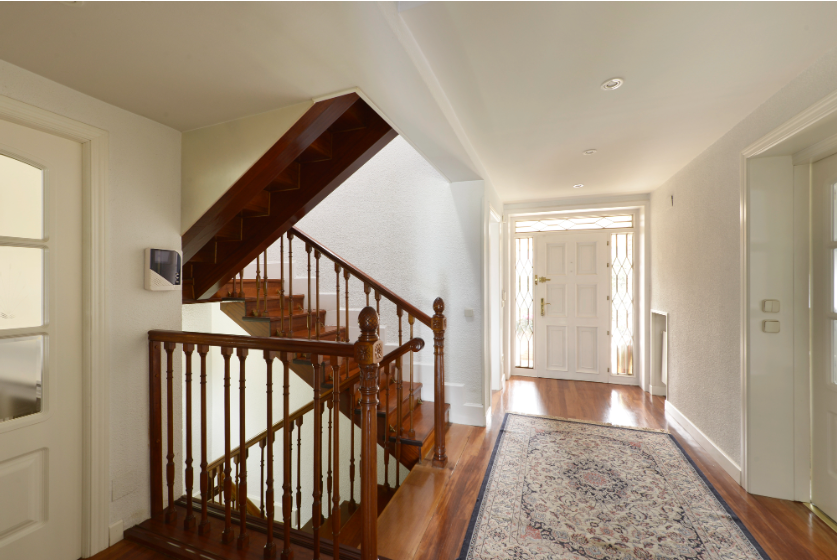
When planning a sustainable home renovation, most homeowners immediately think about solar panels, energy efficient appliances, and better insulation. But the materials used throughout a home can also make a difference in its environmental impact. Even something as familiar as a staircase deserves consideration.
Whether you're replacing an outdated staircase, building a new home, or upgrading an outdoor entryway, choosing the right materials can help reduce waste, improve durability, and prepare your home for changing weather conditions.
Why Stair Materials Matter for Sustainability
Every building material has an environmental footprint. Manufacturing, transportation, installation, maintenance, and eventual disposal all contribute to its overall impact.
Some materials require considerable energy to produce, while others need frequent repairs or replacement. Choosing durable materials suited to your local climate can help reduce the resources needed over a home's lifetime. This is especially important for stairs, which experience regular foot traffic and must remain safe and structurally sound.
Wood Offers Natural Beauty and Versatility
Wood remains a popular staircase material and can be an environmentally responsible choice when sourced thoughtfully.
Responsibly harvested timber, reclaimed wood, and certain engineered wood products offer attractive options for homeowners interested in sustainability.
Reclaimed wood is particularly appealing because it gives existing materials another purpose rather than sending them to a landfill.
However, climate conditions matter. In areas with significant humidity or temperature fluctuations, wood can expand, contract, or experience moisture related damage. Proper installation, finishing, and maintenance are essential.
Consider the Durability of Metal and Concrete
Metal and concrete are common choices for modern staircases, particularly in contemporary homes and outdoor environments. Steel provides strength and design flexibility, while aluminum can be useful outdoors because of its corrosion resistance. Both materials can contain recycled content, although manufacturing them requires energy.
Concrete is another durable option, especially for exterior stairs. However, traditional cement production carries a substantial carbon footprint. Homeowners interested in concrete stairs can ask contractors about mixes that incorporate alternative cementitious materials or other approaches designed to reduce environmental impact.
Match Materials to Your Local Climate
A staircase that performs beautifully in a dry climate may face different challenges in a region with frequent rain, snow, or coastal humidity. Outdoor stairs need particular attention because moisture, freezing temperatures, and direct sunlight can gradually affect their surfaces and structural components.
For example, untreated wood may deteriorate more quickly in damp environments, while certain metals require protective finishes to prevent corrosion. In colder regions, stair surfaces should also be selected with traction and freeze thaw conditions in mind. Choosing appropriate materials can help prevent premature repairs and unnecessary replacement.
Don't Overlook Stair Parts and Finishes
Sustainability isn't limited to the main staircase structure. Handrails, balusters, treads, risers, and other stair parts also deserve attention during a renovation. Durable components that can be repaired or replaced individually may help homeowners avoid rebuilding an entire staircase when only one section becomes worn.
Low VOC finishes, responsibly sourced wood, and quality hardware can also support a more environmentally conscious project. Consider how easily materials can be maintained and whether replacement components will remain available.
Think About the Bigger Sustainability Picture
A sustainable staircase is just one part of an environmentally responsible home. Homeowners can build on these improvements by upgrading insulation, reducing air leaks, installing efficient lighting, and exploring renewable energy options such as solar power.
For example, installing LED lighting along a staircase can improve visibility while using less electricity than traditional incandescent bulbs. Motion sensors or timers may also help prevent unnecessary energy consumption. At WindSoleil, we believe thoughtful home improvements and renewable energy solutions can work together to create more efficient living spaces.
Build for the Future
Choosing climate friendly stair materials isn't about finding one perfect product. It's about selecting materials that suit your home's design, local weather conditions, maintenance needs, and long term sustainability goals.
By prioritizing durability, responsible sourcing, and thoughtful construction, homeowners can create staircases that remain attractive and functional for years.
When combined with energy efficient upgrades and renewable energy solutions, these decisions can help create a home that's more comfortable, resilient, and environmentally responsible. If you're planning a sustainable renovation, WindSoleil can help you take the next step toward a greener home. Explore WindSoleil's energy efficiency and renewable energy solutions to discover how you can reduce energy consumption, lower long term costs, and make your home more sustainable for years to come.
–
Written by the staff writing team at HappyWriters.co