
Designing a Backyard That Supports Both Sustainability and Wildlife
A backyard can be much more than a place to relax or entertain. With thoughtful planning, it can also become a space that supports local wildlife, conserves natural resources, and reduces your home's environmental impact. The best part is that you don't have to sacrifice beauty or functionality to create a more sustainable landscape.
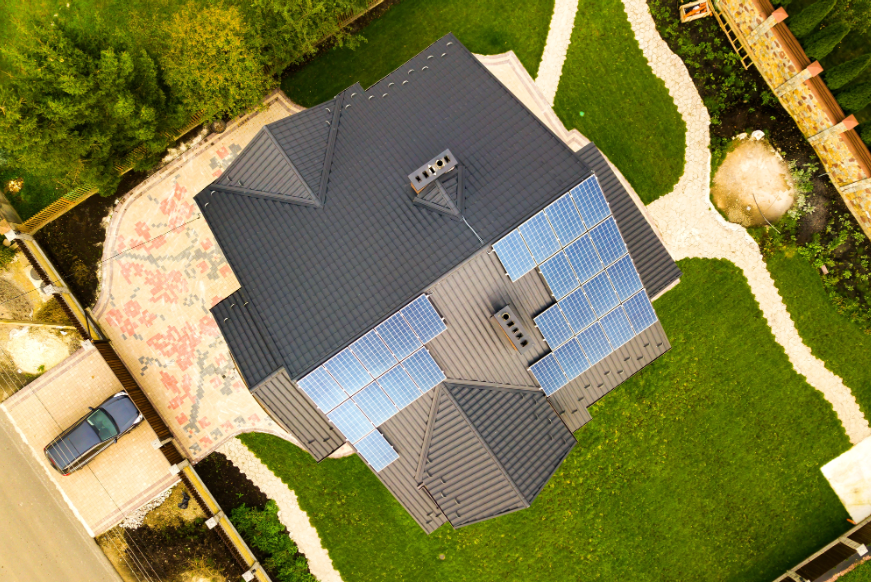
By making a few intentional choices, homeowners can build an outdoor space that's enjoyable for their family while also providing food, shelter, and habitat for birds, bees, and other beneficial wildlife. These types of landscapes create a healthier environment while helping homeowners make the most of the natural resources around them.
Choose Native Plants Whenever Possible
One of the simplest ways to support wildlife is by planting species that naturally grow in your region.
Native flowers, grasses, shrubs, and trees are already adapted to local soil and weather conditions, making them easier to maintain than many non native plants. They also provide valuable food sources and shelter for pollinators, songbirds, and beneficial insects that help keep ecosystems healthy.
A diverse mix of plants that bloom throughout the growing season ensures wildlife has access to nectar, seeds, and habitat for months rather than just a few weeks. You may even find colorful butterflies visiting your garden more often as native flowering plants begin to thrive.
Reduce Water Waste
Sustainability starts with using resources wisely, and water is one of the easiest places to make a difference.
Grouping plants with similar watering needs, adding mulch around garden beds, and choosing drought tolerant landscaping can significantly reduce the amount of irrigation your yard requires. Collecting rainwater for gardens or installing efficient irrigation systems can further reduce unnecessary water use while keeping your landscape healthy.
These small improvements not only conserve water but can also lower utility costs over time.
Create Safe Spaces for Wildlife
Wildlife needs more than food to thrive.
Birdhouses, pollinator gardens, brush piles, and small water features can all provide safe places for animals to rest, nest, and find shelter. Even leaving a small section of your yard a little more natural can create valuable habitat for birds, native bees, and other beneficial species.
Avoiding unnecessary pesticide use is another important step. Healthy ecosystems rely on insects that pollinate plants and provide food for birds and other wildlife.
Make Renewable Energy Part of the Landscape
Sustainable backyards aren't only about plants.
Homeowners can also reduce their environmental footprint by incorporating renewable energy into their outdoor spaces. Solar powered pathway lights, water features, outdoor lighting, and other energy efficient additions allow you to enjoy your yard while using clean energy instead of relying entirely on the electrical grid.
For homeowners interested in making an even bigger impact, residential solar or wind energy systems can complement an environmentally friendly landscape by helping reduce dependence on traditional energy sources while lowering long term energy costs.
Build Outdoor Spaces That Last
Choosing durable, long lasting materials is another way to support sustainability.
Using quality decking, recycled materials, permeable pavers, or responsibly sourced wood helps reduce waste over time. Designing outdoor living areas that remain functional for years also minimizes the need for frequent replacements and renovations.
Features like shaded seating areas, patios, and outdoor gathering spaces encourage families to spend more time enjoying nature right in their own backyard. These inviting outdoor spaces can also serve as memorable settings for special occasions, including family celebrations, garden weddings, or even meaningful butterfly release ceremonies that highlight the beauty of the natural environment.
Think About the Bigger Picture
Every sustainable choice contributes to a healthier environment.
A single pollinator garden may seem small, but when combined with similar efforts throughout a neighborhood, it creates connected habitat that benefits countless species. Planting a tree provides shade that can naturally cool your home, while healthy landscaping helps improve air quality and supports local biodiversity.
Sustainability isn't about making one dramatic change. It's about making thoughtful decisions that work together over time.
A Backyard That Gives Back
The most rewarding landscapes are those that benefit both the people who enjoy them and the environment around them. By choosing native plants, conserving water, supporting wildlife, and incorporating renewable energy where it makes sense, you can create an outdoor space that's both beautiful and environmentally responsible.
Whether you're planning a complete backyard renovation or simply looking for a few eco friendly improvements, every step toward sustainability helps build a healthier future. A backyard designed with both nature and renewable energy in mind becomes more than a place to spend time, it becomes an investment in your home, your community, and the world around you.
At WindSoleil, we believe sustainable choices, whether through renewable energy solutions or environmentally conscious outdoor design, can help homeowners create landscapes that are good for their families, their communities, and the planet for generations to come.
–
Written by the staff writing team at HappyWriters.co